Child's Well Visit, 1 Week: Care Instructions
It's common for newborns to hiccup, sneeze, cross their eyes, and sound congested. But tell your doctor if
there's a yellow tint to your baby's skin or eyes (jaundice). Expect at least 6 wet diapers and 3 stools a
day. Stools should be yellow and watery, not dark green and sticky.
|
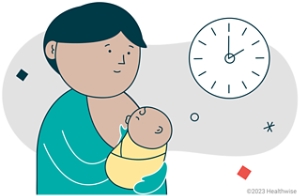
Every 24 hours, breastfeed at least 8 times or formula-feed at least 6 times. To wake your baby for
feeding, change their diaper or gently tickle their back.
|
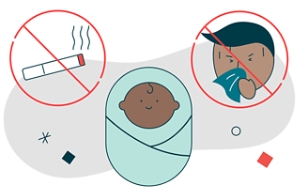
Be sure all visitors are up to date on vaccines. Ask visitors to wash their hands. And never let
anyone smoke around your baby.
|

Feeding your baby
-
If you breastfeed, offer both breasts to your baby at each feeding. Switch which breast you start with
each time.
-
If you formula-feed, ask your doctor how much formula to give your baby.
-
Don't warm bottles in the microwave. Check the temperature by placing a few drops on your wrist.

Keeping your baby safe
-
Always use a rear-facing car seat. Learn how to install it in the back seat.
-
Use hats and clothing to protect your baby from the sun.
-
Never shake or spank your baby.
-
Learn how to take your baby's rectal temperature if they're sick. Call your doctor with any questions.
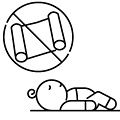
Keeping your baby safe while they sleep
-
Always put your baby to sleep on their back.
-
Don't put sleep positioners, bumper pads, loose bedding, or stuffed animals in the crib.
-
Don't sleep with your baby. This includes in your bed or on a couch or chair.
-
Have your baby sleep in the same room as you for at least the first 6 months.
-
Don't place your baby in a car seat, sling, swing, bouncer, or stroller to sleep.

Caring for yourself
-
Trust yourself. If something doesn't feel right with your body, tell your doctor right away.
-
Sleep when your baby sleeps, drink plenty of water, and ask for help if you need it.
-
Tell your doctor if you or your partner feels sad or anxious for more than 2 weeks.
How to get your baby latched on well
|
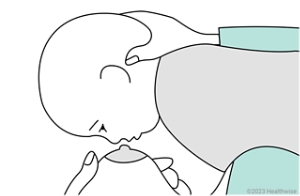
First, make sure your baby's face and chest are facing your breast. Support your breast with your
fingers under your breast and your thumb on top.
|
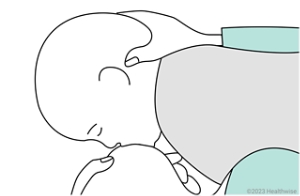
Then, gently touch the middle of your baby's lower lip. When your baby's mouth opens wide, quickly
bring your baby to your breast.
|
Follow-up care is a key part of your child's treatment and safety. Be sure to make and go to all
appointments, and call your doctor if your child is having problems. It's also a good idea to know your
child's test results and keep a list of the medicines your child takes.
Current as of: October 24, 2023
Content Version: 14.0
Care instructions adapted under license by your
healthcare professional. If you have questions about a medical condition or this instruction, always ask
your healthcare professional. Healthwise, Incorporated disclaims any warranty or liability for your use of
this information.